


Jordan Lasker, or Cremieux on social media, is a right-wing genetics “expert” who has recently taken to attacking pit bulls on social media. In this post, I want to show that Lasker, like many critics of pit bulls, combines (a) statistical illiteracy with (b) detachment from the real world to draw a strong conclusion about pit bulls that is utterly meritless.
Lasker points to numbers showing that pit bulls have caused more deaths than any other breed in data collected from New York City.
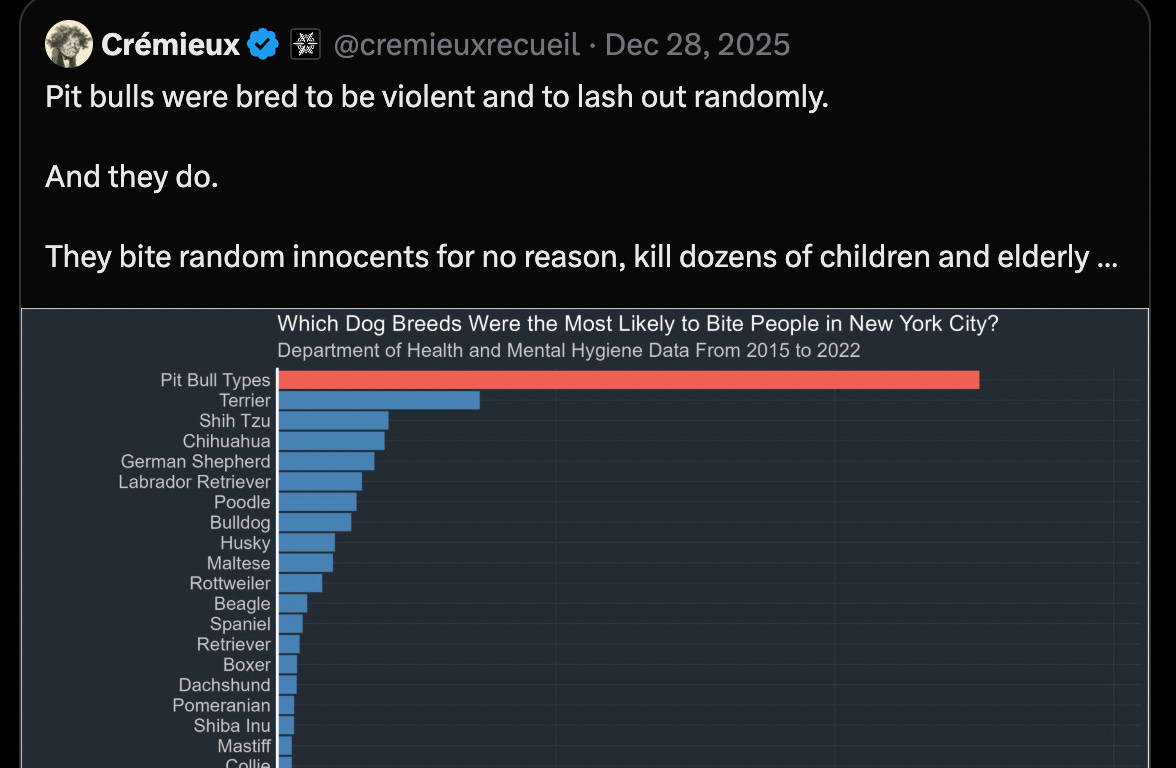
But Lasker’s data is profoundly misleading for a number of reasons.
First, denominators matter. Anyone who spends a moment in an urban shelter will note that pit bulls are massively over-represented. Quick Google search finds this distribution in NYC shelters in Aug 2018.
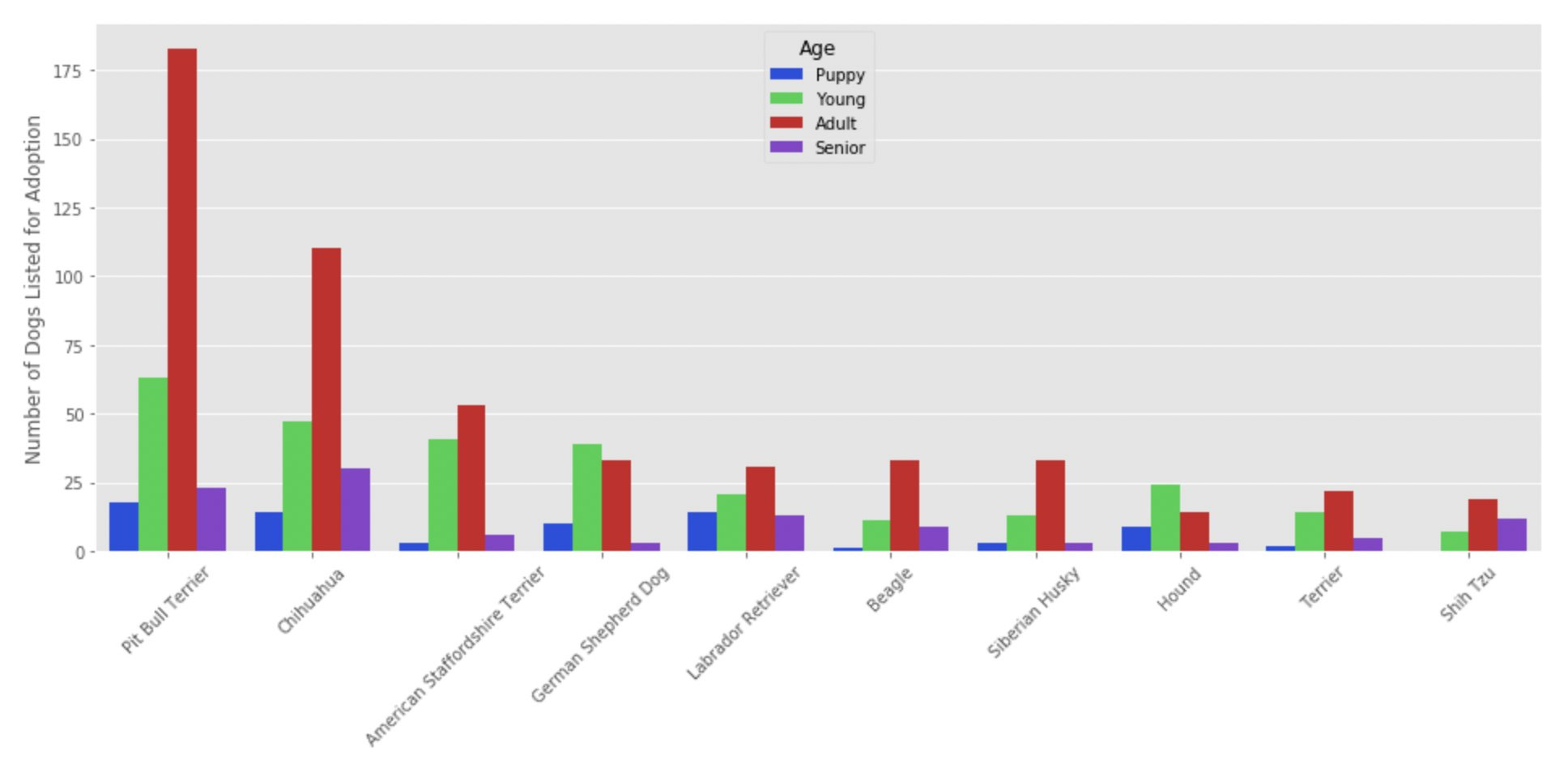
Pit bulls (including American Staffordshire breed dogs) outnumber terriers and shih tzus, the next two highest breeds on the bite list, by around 10x. So, if the shelter data is even roughly representative of the population of dogs in NYC, the NYC bite data actually shows that terriers (2455 incidents) and shih tzus (1228) bite ~1.6-3.3 times as often as pit bulls (7448 incidents).1 Yet I don’t see Cremieux asking for Yorkies and shih tzus to be exterminated.
Second, controls matter. You cannot compare breed A to breed B unless you’re controlling for other factors that affect their behavior, e.g., their environment and upbringing. And, the environments of pit bulls are likely to be different than other breeds in significant ways. Research shows that pit bull guardians experience stigma relative to other dog breeds, and at least one study shows they are more common in economically-deprived areas. You will also see higher violent crime rates among human beings in those areas. That does not mean there is an inherent propensity for violence tied to human genes in economically-deprived areas.
Third, the best evidence from temperament testing seems to show that pit bulls have lower, not higher, rates of bite propensity. The AVMA, hardly a friend to unpopular animals (e.g., they endorse roasting farm animals alive), undertook a literature review and notes that “controlled studies have not identified [pit bulls] as disproportionately dangerous.” ATTS (the most cited temperament test) notes that pit bulls have a higher pass rate (91.9%) than golden retrievers (85.9). Presumably Cremieux doesn’t want to exterminate golden retrievers.
So, in short, don’t believe the “experts” on X. They’re often ideologues masking their prejudice as “evidence.”
One final note: Cremieux has mocked gun control efforts, despite guns being associated with literally 1000x more deaths than pit bulls. I’m open to the idea that we have to be cautious around anything that causes serious harm. I’m open to the idea that pit bulls are dangerous. (In fact, I agree they are most dangerous genetically, but mostly towards other dogs, which they were bred to have aggression towards.) But I’m not open to arguments for “extermination” based on bad statistic analysis. Sadly, most discourse on subjects like this, even by experts, falls into that category.
UPDATE: Another commenter on X admitted that my data shows that pit bulls have no greater likelihood of biting than many other breeds of dog but claims that what distinguishes them is their lethality. He cited this study, which shows pit bulls and Rottweilers as being primarily responsible for deaths in a roughly 20 year period, to justify his conclusion. But I looked at the actual study data and found the opposite conclusion. Here are my notes.
- The absolute numbers here for ALL breeds are so small that this is pretty clearly not a significant public health threat. Pit bull deaths range from 2-11 per year, with an average of 6.6.
Particularly given the low absolute numbers, it is particularly important to have proper controls. Take, for example, the impact of socialization. There are around 6 million pit bulls in the US, and if 1 in a million intentionally trains their dog to be aggressive, which leads to a fatality, that would explain 100% of the excess fatalities caused by pit bulls.
In the five-year period prior to the study period, German Shepherds, Huskies, and Saint Bernards all had a higher fatality rate, with the German Shepherds causing 2.6x as many fatalities. This feeds into Alex's point about substitution effects. This data seems to indicate dangerous breeds are switching over time, not that there are inherently-dangerous breeds.
Partly because of the factors above, one cannot really make any clear generalizations about the effect of breed, specifically. Indeed, the authors of the Sacks, et al study in 2000 make this point themselves and say "a dog of any breed can become dangerous when bred or trained to be aggressive" and condemn breed specific legislation as unscientific and impractical.
If this is the best evidence pit haters have, there is nothing here. It's a thinly-disguised campaign to live out their adolescent fantasies of violence and vengeance against dogs...
The raw data for this analysis is here. My estimate is biased against pit bulls because shelters are likely to underreport pit bulls to encourage adoption (and avoid breed specific restrictions), and bite numbers are likely to overreport pit bulls because of stigma attached to the breed. Shih tzus and terriers are likely to have the opposite biases.
Cremieux's data is per capita based New York's mandatory dog registration.
No! Only the owners