

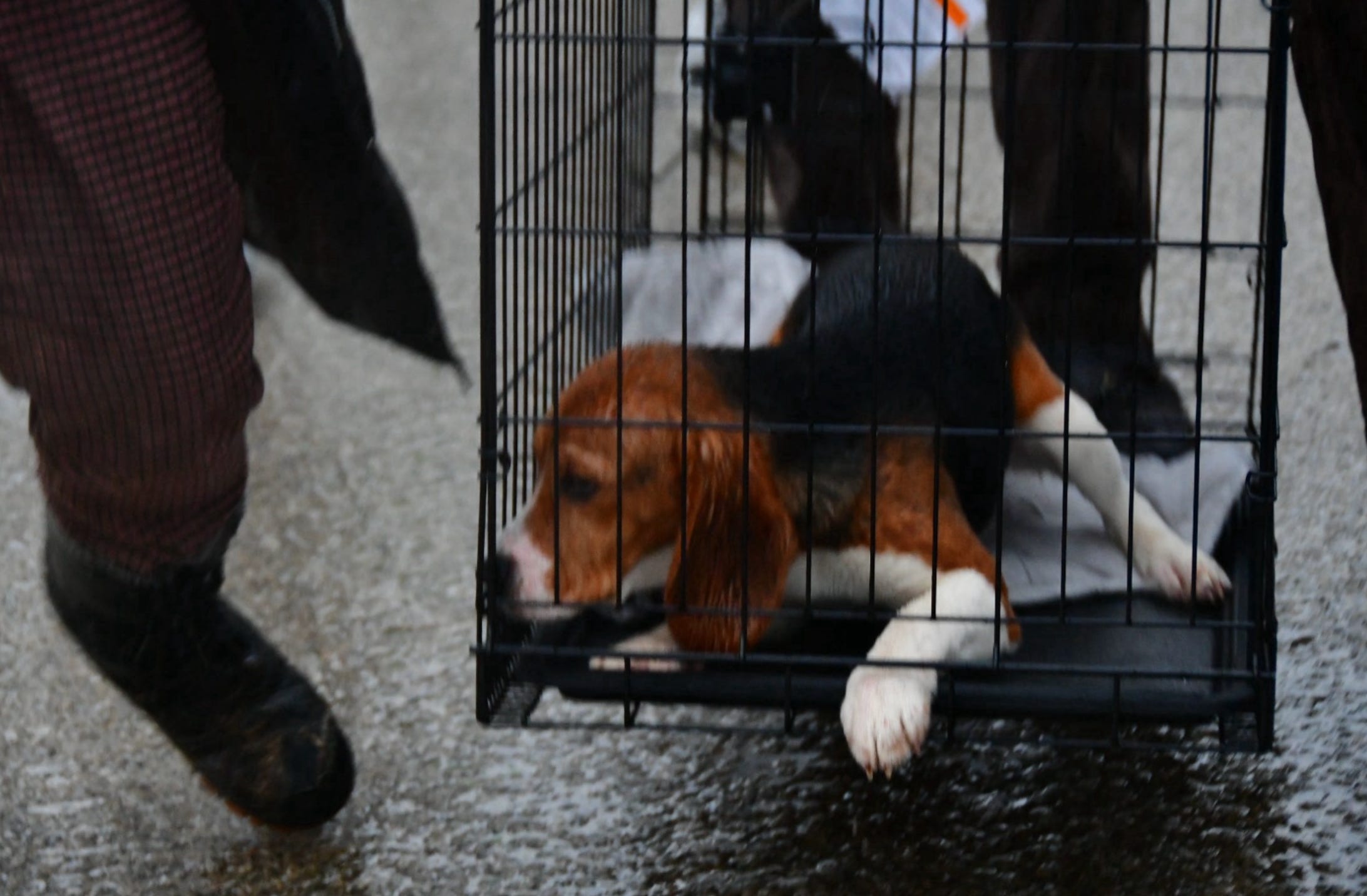
Earlier this year, officers with a Wisconsin sheriff’s office came across a frightened puppy rescued from a dog fighting ring. They were faced with a question: what should we do with this traumatized dog?
There was no dispute that the dog fighting ring had broken the law. State agencies investigating the ring had concluded the puppy’s “owners” were engaged in felony animal abuse that had left hundreds of dogs mutilated or dead. Indeed, the ring had secretly continued fighting dogs even when it had been ordered to stop. In March 2025, a legal order commanded the ring’s operators to end the illegal dog fights after whistleblowers came forward with allegations of criminal conduct. Yet an inspector visiting the site in September 2025 concluded that 150 more dogs had illegally been subjected to dog fights. The inspector concluded in a written order that “public health, safety, or welfare imperatively requires emergency action.” The inspector’s agency then sent a letter to the local law enforcement titled “Request for prosecution” and asked for their help in protecting the dogs.
But law enforcement, including the Sheriff, took no action. Instead, they falsely claimed the dog fighter was above the law. There was an exception to the animal cruelty laws, the Sheriff claimed, for dog fighters that were doing research on dogs. And this particular operation claimed to have research on site.
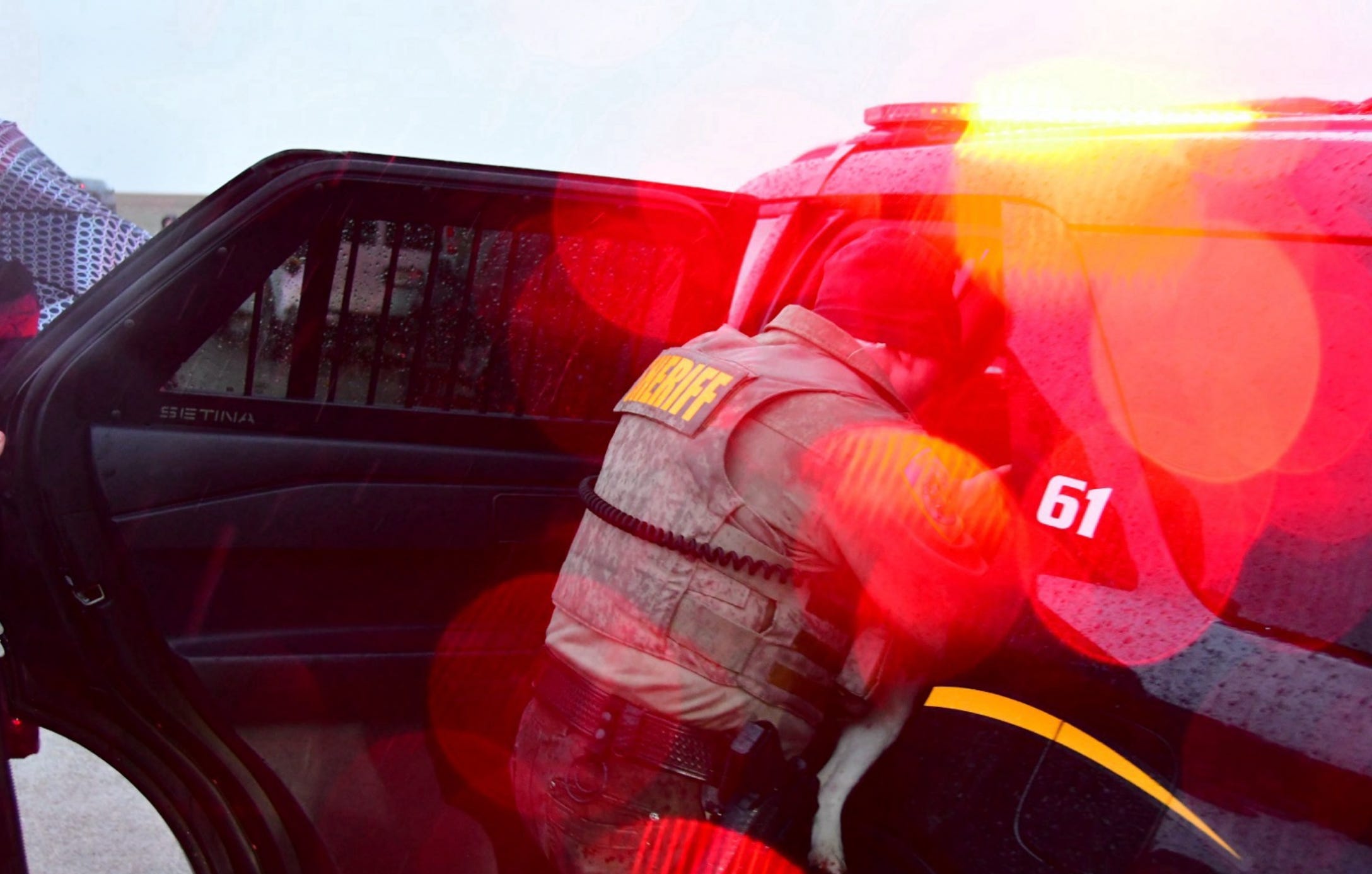
The Sheriff’s position was “absurd,” in the words of one prominent professor of criminal law. The existence of research on site, even if true, had no relevance to whether dog fighting is a crime. It was akin to the Sheriff saying that marijuana had been legalized—so a drug gang could not be prosecuted for murder. The Sheriff’s office was put on notice that his position was wrong: in a sworn declaration of the leading academic authority on the subject, by two state agencies, and even by a prosecutor who had previously worked on the case. The only party that had ever taken the Sheriff’s “absurd” position was the dog fighting ring itself (which, it was later discovered, had extensive ties to law enforcement). Indeed, the very “Request for prosecution” sent by the inspector made clear the Sheriff’s position was wrong. “This request for prosecution does not involve… bona fide research activities and operations,” the inspector wrote. Yet still, the Sheriff refused to act.
Until he was forced to by private citizens taking direct action. Sheriff’s deputies came across a rescue van with a traumatized dog taken from the dog fighting ring. They arrested the driver for theft, and took custody of the dog and seven others rescued from abuse. This new scenario was, legally, very different. An officer who comes across an animal who may be a victim of criminal abuse (or other evidence of a crime) is legally required to hold them “so long as necessary for the purpose of being produced as evidence on any trial.” Further, the state and federal constitution require preservation of evidence that may be relevant to a criminal case; by arresting the driver, the Sheriff had triggered these constitutional rights and the duty to preserve the dog as evidence.
But even these constitutional safeguards fell. The Sheriff chose to send this trembling puppy back to his abusers, where he knew he could be torn apart in a dog fight. By doing so—by violating numerous laws and bringing a victim to a known abuser—the Sheriff moved from inaction to criminal misconduct. Wisconsin law makes it a crime to provide assistance to someone you know to be committing acts of animal abuse. By doing so, you become “party to a crime.” The Sheriff consciously chose to do this. Then, he trumpeted his actions on his website.
This story may sound comically evil or far-fetched. It is not. It is the exact scenario that unfolded over the last few months in Dane County, Wisconsin—with one small difference. The operation in question was not a dog fighter, but a dog testing and breeding facility called Ridglan Farms. Otherwise, every word, date, and quote by a legal expert is taken exactly from the Ridglan case, including the return of a frightened puppy to his abuser. (In this video on the I’ve Had It podcast, I refer to the dog as a girl, but we later realized he was a boy.)
State authorities ordered Ridglan to stop the illegal surgeries performed by non-veterinarians without anesthesia in March 2025, after whistleblowers came forward. When inspectors came back to Ridglan in September, they found evidence that at least 150 more improper surgeries had occurred, despite the order to stop, and wrote that “public health, safety, or welfare imperatively requires emergency action.” They then referred the case to the local authorities for prosecution, listing out a long history of repeat violations at Ridglan Farms beyond the surgical mutilation of dogs, and explained why the research exception did not apply.
But the Dane County authorities refused to prosecute or even investigate. Instead, they protected the abuser in ways that violated Wisconsin law. The most flagrant example of this was unlawfully delivering a traumatized puppy back to his abuser, along with 7 other frightened dogs. The animal cruelty laws, in short, were not just ignored by the authorities. They were broken.
It’s time for that to change. Today, I and dozens of others will be walking into the Dane County District Attorney’s office with this criminal complaint. The complaint alleges three offenses against the local Sheriff, Kalvin Barrett: felony animal mistreatment; misconduct in public office; and harboring or aiding a felon (i.e., Ridglan Farms). I won’t bore you with the legal details, but I can tell you that this complaint has been vetted by many lawyers and is strong.
But our purpose is not to send anyone to jail, or even convict anyone of a crime. What we need is a promise. A promise that animal cruelty laws will be enforced, impartially. A promise that industry influence will not corrupt the legal process. A promise that, the next time a frightened puppy comes into the hands of law enforcement, he won’t be sent back to his abuser to face torture and death.
He will be rescued, as is his legal right.
It won’t be easy to get that promise. It wasn’t easy the last time we filed a criminal complaint, accusing Ridglan itself of crimes. Many people, including prominent animal lawyers, told us that our petition was somewhere between improbable and crazy. “The industry is powerful,” they said. “The government? Corrupt.”
But I think the puppy who was sent back to Ridglan is counting on us to seek accountability, even when it’s hard. I don’t know what came of that dog. Some of my fellow activists are certain that he was later saved. I hope they’re right. (I sometimes dream of him in a backyard with his family, playing tug of war and getting belly rubs. It brings me to tears.)
What I do know is this: even if he’s gone, we can’t let his story die.
So horrific how that sheriff and members of his force are NOT following the law and returning those innocent dogs back to their abusers and even helping the abusers. They’re all disgusting and there are way too many mean , vicious people in this world
Deep respect. Speak truth to power. May this movement end the torture of innocents, and let people in our country speak up and join you