

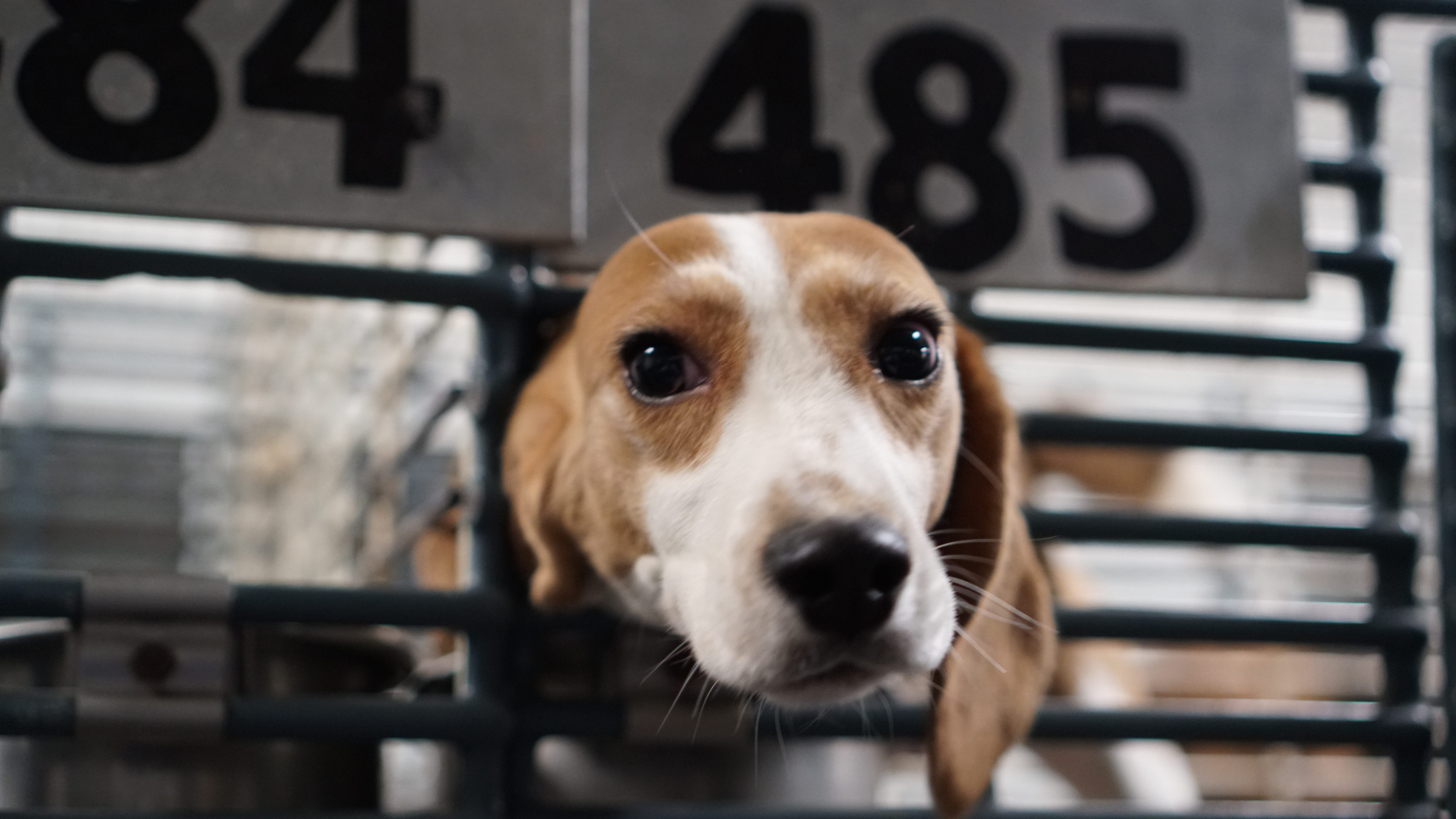
In the spring of 2024, I walked into the office of the Dane County Sheriff with a bombshell letter and criminal referral: Ridglan Farms was performing illegal surgeries on dogs—devocalization (mutilating a dog’s vocal cords) and so-called “cherry eye removal” (cutting off a dog’s tear gland when it becomes red and inflamed)—without veterinarians or even anesthesia. A distinguished former federal prosecutor, Bonnie Klapper, authored the referral, which was based on strong evidence, including testimony from a former employee turned whistleblower. I thought the authorities would be compelled to respond.
I was wrong. Not only did they fail to respond, but they misled the public about the existence of Klapper’s letter. District Attorney Ismael Ozanne repeatedly indicated over many years that he never received a “referral” regarding animal cruelty at Ridglan Farms.
This is misleading. Ozanne was the named recipient of Klapper’s letter—and also the named recipient (as we discovered through freedom of information requests) of 983+ other complaints about Ridglan Farms. So why was he refusing to act, or even acknowledge the existence of complaints? For years, I could not figure out what was going on.
Until now.
Over the last few weeks, due to public outcry, the authorities have finally been forced to explain their inaction. And their explanations illustrate a number of serious legal errors—always in favor of the industry—that left thousands of dogs unprotected from criminal abuse.
Error 1: Asserting that Ridglan is exempt from the cruelty laws
On Friday, March 27, Sheriff Kalvin Barrett and his staff called me and, in a 37 minute phone call, claimed that Ridglan could not be charged with animal cruelty because its business constitutes “teaching, research, or experimentation,” which Wisconsin law exempts from its cruelty laws. (You can listen to the full phone call here.)
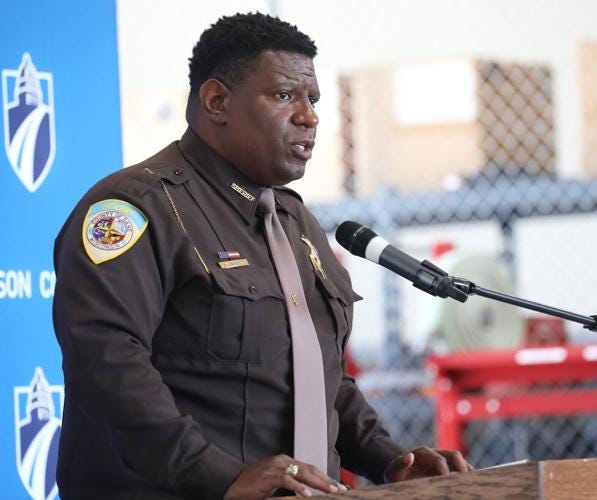
But as I explained on the call, Barrett is clearly wrong. Ridglan’s breeding facility, where all of the evidence of cruelty originated, does not engage in teaching or research. It is a factory for dogs to be sold for teaching and research. Indeed, the license for Ridglan’s breeding facility makes clear that it is a “Class A breeder” and not a “Class R research facility.” That is why every legal authority that has considered the issue, both in Wisconsin and beyond, has concluded that the “teaching” exemption has no relevance to the Ridglan case. This includes not just a respected Dane County judge and the nation’s leading expert on the regulation of animal welfare, but even the pro-industry special prosecutor, Tim Gruenke, appointed to oversee the Ridglan investigation.
In fact, the only party I am aware of that has claimed Ridglan is exempt from the animal cruelty laws is… Ridglan Farms. In the summer of 2024, Ridglan sued Judge Rhonda Lanford on the grounds that she was not allowed to investigate the company for criminal abuse because it was a research facility exempt from the cruelty laws. The court of appeals threw out the lawsuit. Indeed, the suit was so frivolous that members of our legal team, including prominent legal scholars, considered filing an ethics complaint against Ridglan’s lawyers for misconduct.
And the authorities have adopted this discredited, frivolous legal position.
Error 2: Asserting that regulatory authorities should supplant criminal enforcement of cruelty laws
The authorities have also stated that “regulators”—state and federal agencies that enforce non-criminal regulations of breeding facilities—should supplant the enforcement of criminal cruelty laws. For example, on March 20, the special prosecutor charged with investigating Ridglan Farms, Tim Gruenke, admitted that he had not even bothered to visit the facility. The apparent reason was that the regulators had already been there.
“For decades, the [regulators] had visited the farm and found no violations,” Gruenke said. According to Gruenke, there was apparently no need to look into Ridglan because the regulators had it covered.
This is legally wrong. The Animal Welfare Act, which sets out the regulations of animal breeders and researchers, expressly says that it does not affect state cruelty laws but rather sets a minimum standard for animal welfare. In other words, the regulations set a floor, not a ceiling — state cruelty laws can always do more to protect animals, never less. That is precisely what Wisconsin animal cruelty law does, for example, by making the mutilation of animals a felony under state law.
But what’s most absurd about the authorities’ position—that only regulators can hold Ridglan accountable—is that even the regulators say they’re wrong. On October 14, 2025, a state regulator sent a letter to the District Attorney requesting a criminal prosecution of Ridglan Farms, based on hundreds of violations of welfare standards. The letter was obtained through a freedom of information request, and its subject is “Request for prosecution of Ridglan Farms.”
In other words, the prosecutors say they can’t prosecute because of the regulators… yet even the regulators have asked them to prosecute.
Error 3: Denying protection to dogs because they are “not pets”
That brings me to the third and worst error: the improper distinction the authorities have repeatedly drawn between dogs at Ridglan, and our pets at home.
“Animals kept on farms are not kept in what we’d keep our pets in,” Gruenke, the special prosecutor, said in a radio interview. “I’m not really sure I would want to live like that. But when farms have hundreds or thousands of animals, that’s how they’re kept.”
But the law makes no such distinction between dogs raised in corporate “farms” and dogs raised as pets. Cruelty to dogs is a crime regardless of the abuser’s purpose for the dog, or the scale of the abuse. A puppy mill operator who hates dogs, for example, cannot defend himself by saying that he has too many dogs to care for properly. The standard is the same for anyone who has custody of a puppy, whether dog hater or dog lover.
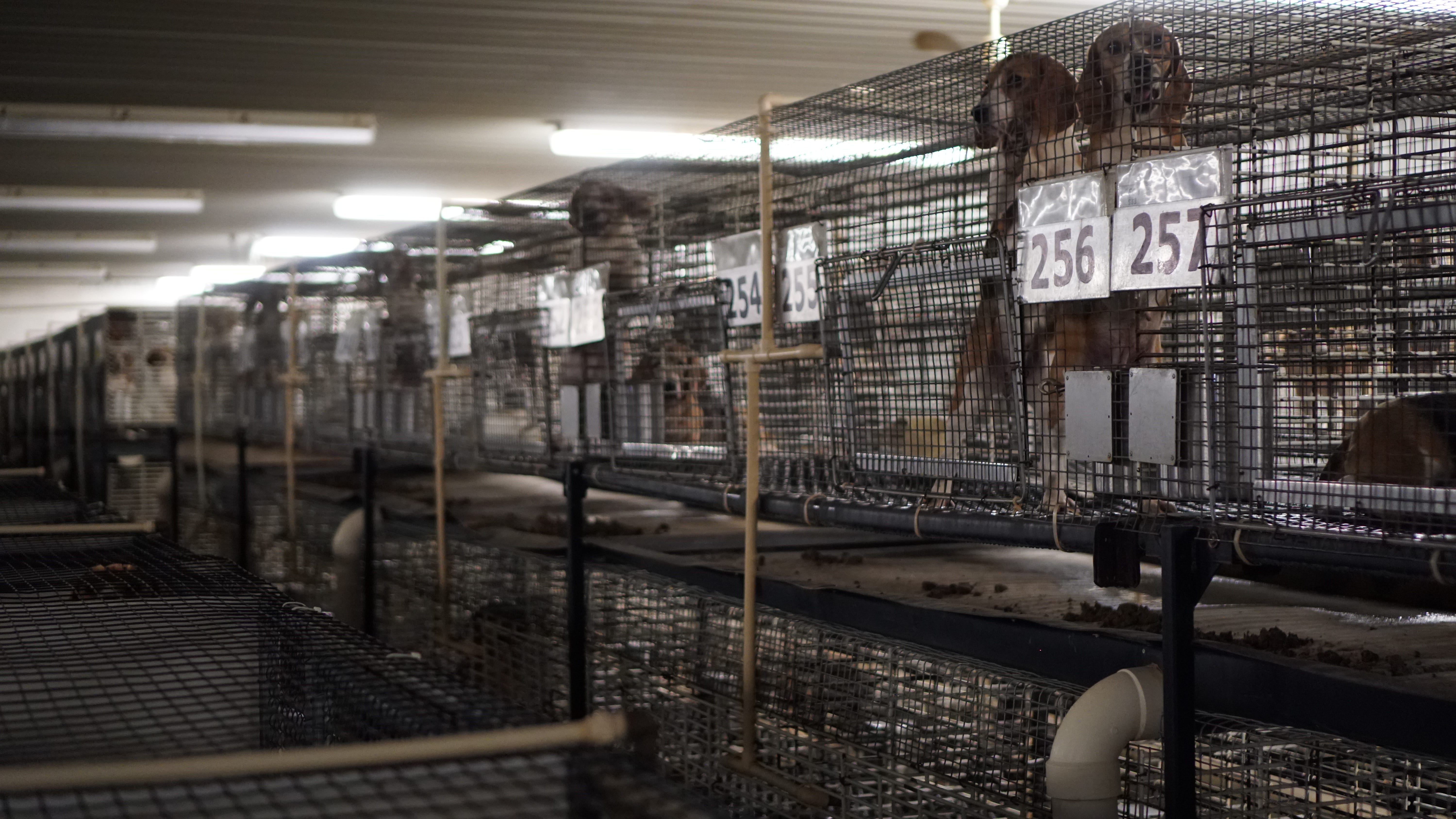
And this is the way it should be. Equal protection of the laws— for the poor, the vulnerable, the unloved— is a fundamental principle of the American legal system. No one would trust a government that arbitrarily applied the laws differently based on the power or popularity of the victim of a crime. The authorities’ position on the Ridglan dogs is akin to denying orphans protection under child abuse laws simply because they are abandoned and unloved. That is not just immoral. It is unconstitutional and illegal under Wisconsin law.
Why does this keep happening?
So why do the authorities keep making obvious legal errors that insulate Ridglan from accountability? The answer is corporate influence. The biomedical industry is immensely powerful in Dane County. They do tens of billions of dollars in business in the county, and their donors and lawyers fill the halls of government. Every elected official in Dane County quickly learns that crossing these corporate interests will lead to punishment. And so quietly, over many years, the law is eroded and twisted when it goes against those interests, many of which support experimenting on dogs.
And this is precisely why we need nonviolent direct action. When our systems are broken, we can’t expect politicians to fix them. Direct action in these cases is not inconsistent with the rule of law. It is the only way to uphold it.
I hope, eventually, the authorities see the absurdity and injustice of the positions they have taken. But, in a sense, it doesn’t matter. Because the people already do. And the people are preparing to rescue the dogs.
Sign up for the April 19 rescue effort at savethedogs.io.
What else is going on?
I’ll be following up today with Sheriff Barrett to see if there is a pathway to protecting the dogs that does not require direct action by citizens. I liked the Sheriff. He seemed humble and open. But I have also had enough of these conversations to know that elected officials often seem nice—but then refuse to uphold their promises (or even the law). My goal is to reach some negotiated resolution that makes action by citizens unnecessary. I’ll keep you all up to date on how that goes.
Speaking of which, don’t forget to join our WhatsApp community. There are channels for legal questions, travel/housing coordination, and any questions for the organizers—and a Beagle Bot that will automatically answer your questions. Just note that we are making this open access, which means you can expect people from the industry and perhaps even police to be in the conversation. Don’t worry about this. We are open rescuers. Those who engage in subterfuge and manipulation should not trouble us.
We will be holding more legal briefings regarding the April 19 demonstration and rescue effort. We hold these every Saturday at 1 pm. But based on popular demand, we’ll be adding some to the schedule, including one on Wednesday night. Most questions can be answered on WhatsApp, given the size of the community mobilizing to save the dogs. But these Zoom calls will give us a chance to have deeper conversations.
Until next time.
Good luck. I know you are trying to end this legally. It must be exhausting, but we stand behind you.
Thanks for this detailed and powerful outline of where things stand and how we got here. DA Ozanne and his higher-ups in Madison still have three weeks to understand that it's in *their* interests to enforce the laws they are entrusted with enforcing before 1500-plus nonviolent activists descend on Dane County to rescue the 2000 beagles who are suffering such horrific abuse. I have to think Sheriff Barrett and his deputies have better things to do with their time than policing a massive peaceful demonstration and arresting and processing thousands of rescuers. Let's hope they see that filling Dane County's jails with thousands of peaceful activists who are merely exercising their legal right to rescue is a waste of time and resources they can avoid simply by doing their jobs: shutting down Ridglan Farms and working with the hundreds of shelters and individuals who are ready and willing to adopt these dogs and give them the loving homes they deserve.
https://treadthepathwithcare.substack.com/p/choosing-kindness