

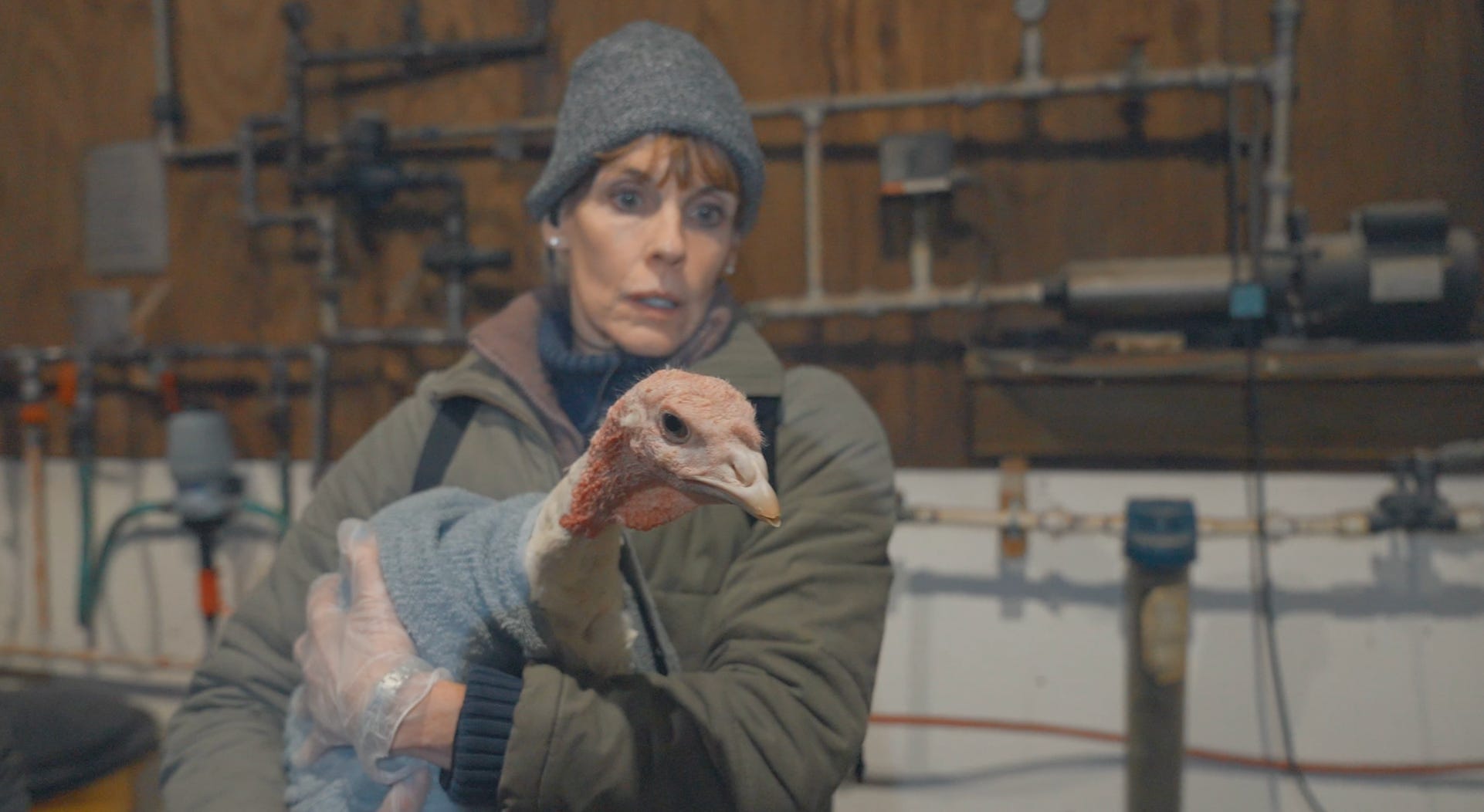
The little turkey was dying of gangrene, and the drugs were not working.
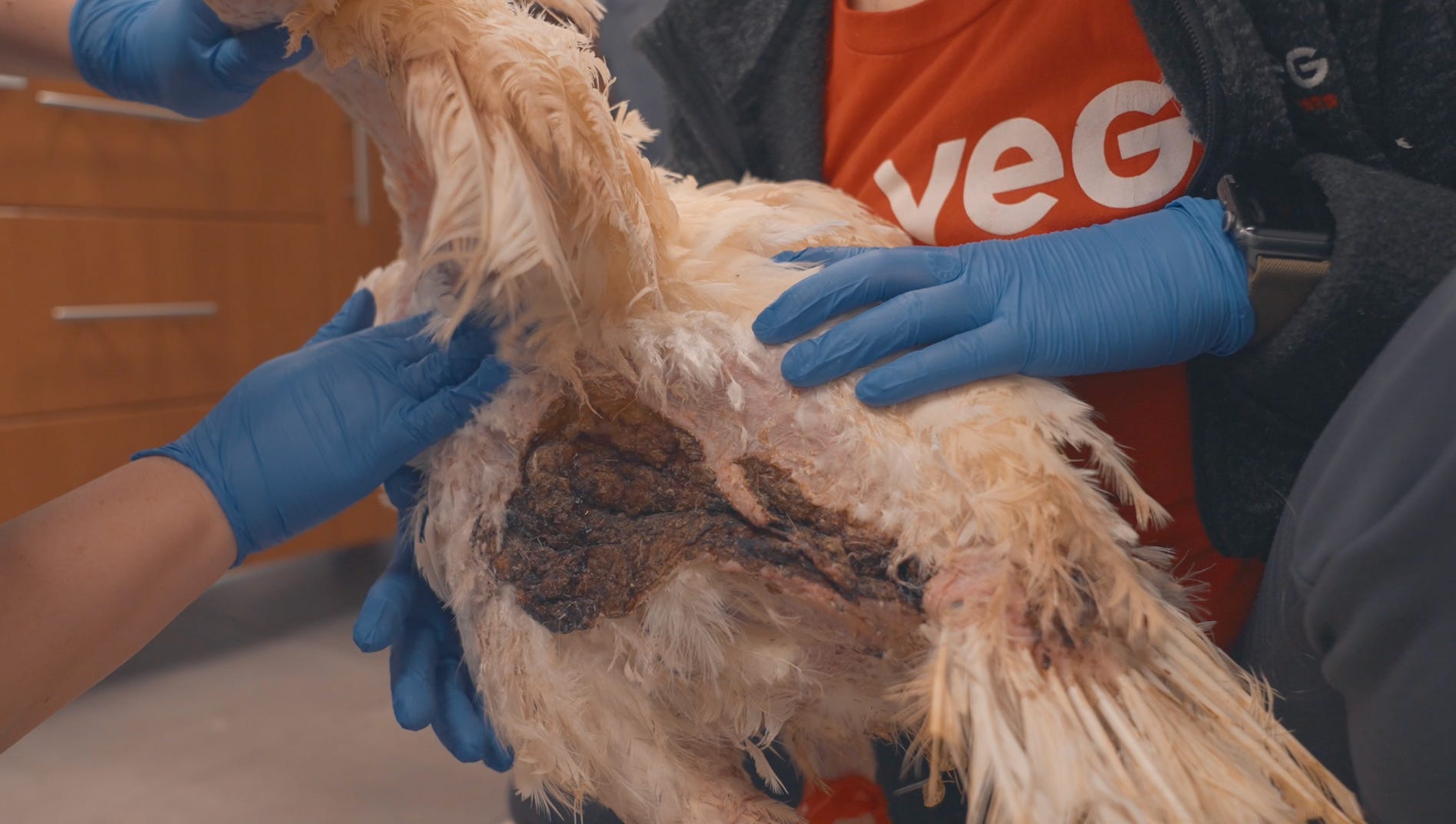
The company that raised him, Jennie-O in Minnesota, portrays itself as an “advocate for the animals.” Its corporate parent Hormel has promised to engage in responsible stewardship of antibiotics. And yet this little turkey’s life proved these statements were lies. He and hundreds of other turkeys were sick, hobbling, and wasting away with gangrenous wounds that were massive, rotting, and, in the words of one veterinarian, “the worst I have ever seen.” Jennie-O was mass dosing the turkeys with critical, human-grade antibiotics to stop the disease outbreaks. One drug was labeled “for use in horses only” and prohibited use in horses used for food. That did not stop Jennie-O from delivering that drug to thousands of turkeys that were intended for Americans’ Thanksgiving dinner tables.
And taxpayers paid for it all. Since 2008, the federal government has committed $1.3 billion to Jennie-O including $186 million to simply destroy turkeys that have been exposed to disease.
It is just the most recent example of a disturbing trend.
Factory farms are profiting off of disease. And American taxpayers are paying for it.
This is one of the central findings of an investigation of Jennie-O being released today by animal advocates with the Coalition to Stop Thanksgiving Fraud and Abuse who infiltrated Jennie-O facilities in early October.
Check out the full investigation page at StopTurkeyAbuse.com.
Under cover of night, a small group including my friend and renowned animal rescuer Alexandra Paul, entered Jennie-O barns to investigate allegations of abuse that go back many years. Most recently, in 2025, two animal welfare organizations sought a criminal warrant to investigate the use of “ventilation shutdown”—that is, mass killings of animals by closing down the vents in a barn and pumping in hot air to cause heat stroke. The court in that case concluded that, even if this practice were cruel and unlawful, the evidence was too old to bring a charge. So Alexandra and her friends went to find more recent evidence.
And what they found shocked even me: gangrene recurring year after year. The investigators saw matted, rotting flesh on large numbers of animals—the same gruesome infections on animals at Jennie-O were documented as far back as 2023, and records of mass (and possibly illegal) antibiotic dosing as far back as 2022. Yet the animals in 2026 were still sick with gangrene. Rather than change their husbandry practices—for example, by giving the animals more space—the company had simply pumped antibiotics into the water. That stop-gap measure was not working.
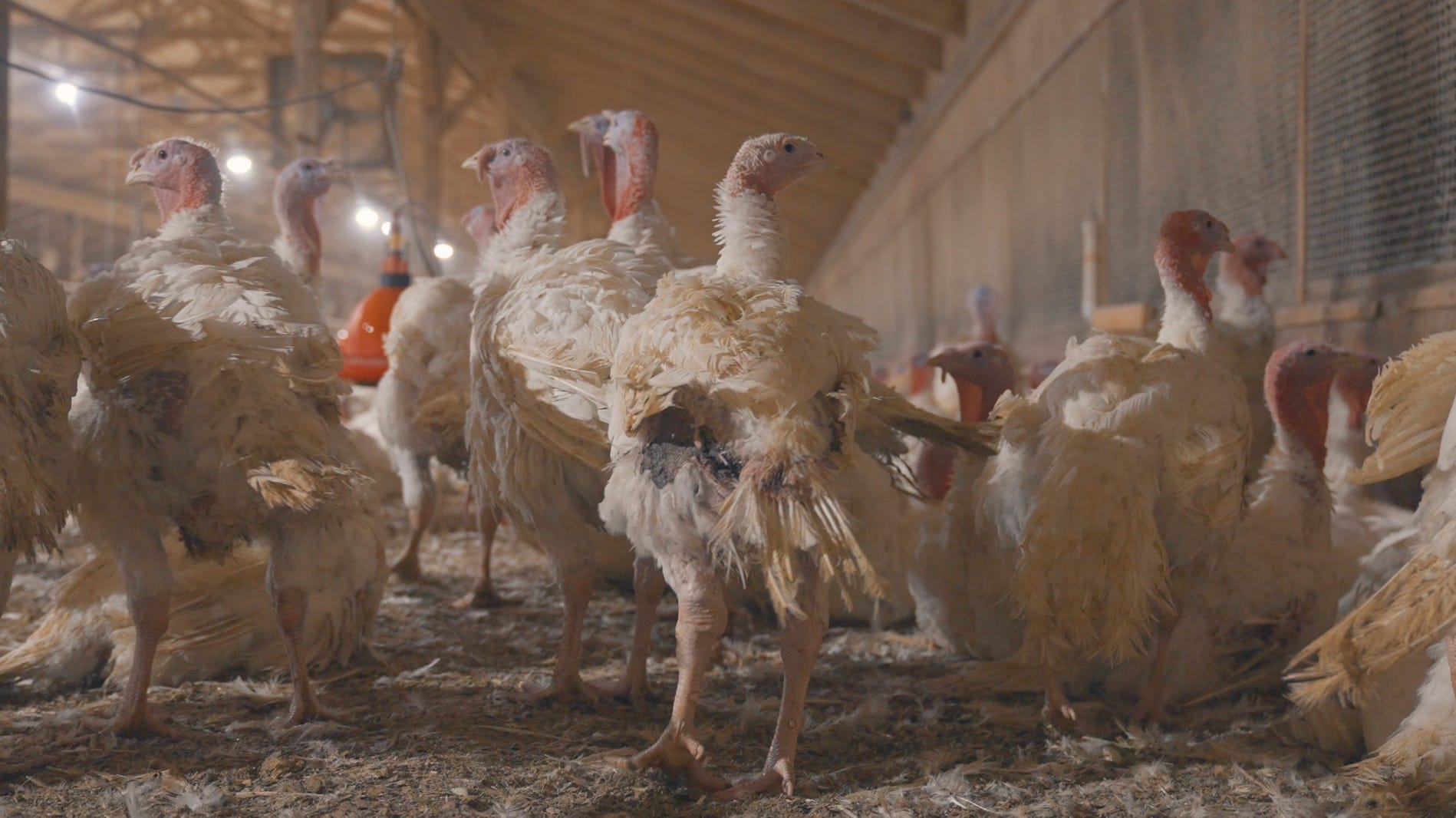
Why would the company f ignore the disease? The pathogens that cause gangrene can make human beings sick, too, creating enormous liability for the company. And a turkey who dies of gangrene before slaughter can’t be sold.
But factory farms are incentivized by our government to produce disease. The most infamous example of this is from the “indemnity” payments made by the federal government for bird flu. That dangerous infection—which threatens human beings along with turkeys—is a direct result of the same crowded conditions that cause gangrene. Yet instead of punishing companies for those conditions, the federal government subsidizes them. When birds get sick, the company destroys all the animals and goes to the government to ask for full payment not just for the birds, but the cost of destroying them.
The amounts of money at stake are enormous. Jennie-O, alone, has received $186 million in bird flu payments in recent years. Normal businesses suffer when their bad practices cause losses. Factory farms like Jennie-O are rewarded.
But it is not just the indemnity payments that drive the irresponsible and inhumane practices. Since 2008, the federal government has directly purchased turkey from Jennie-O with over $1 billion in commitments. Some of these payments were made for so-called surplus turkeys—when the company could not find another buyer. Other payments were made for school lunches. In all cases, those payments funded a company with among the worst records of disease management in the nation. And to top it off, the government overpaid. In 2024 alone, the government made $29.5 million in commitments to Jennie-O and paid 36% over the market rate.
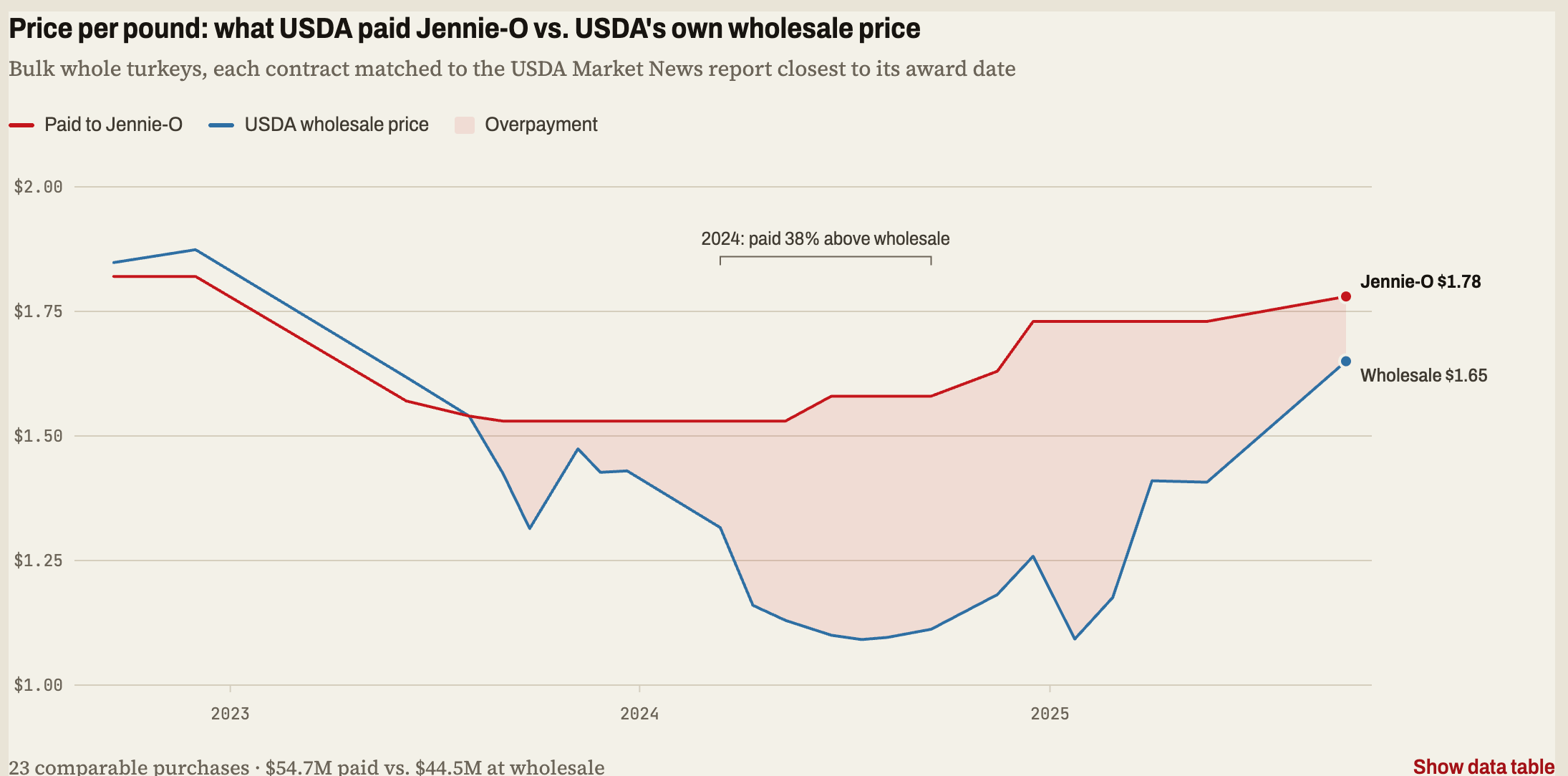
This is all happening as the cost of living, including turkey prices, skyrockets. The USDA projects that the wholesale cost of a whole turkey this year will rise to $1.76 per pound. That is an 87% increase in just two years. While there have been credible allegations of price fixing by Jennie-O, the more fundamental problem is that we are funding a cruel and wasteful system. The usual argument in defense of factory farming—that it creates affordable food—is running into the buzzsaw of economic and biological reality. Far from providing cheap meat, the factory farming system is creating a bloated, expensive, taxpayer-funded system of disease and cruelty.
But the worst cost is suffered by the animals themselves. Human beings who have suffered from gangrene describe it as causing excruciating pain, akin to lighting flesh on fire. The infection spreads throughout an animal’s body, causing flesh to go green and black. For the little turkey at the start of this piece, that was his destiny: just another one of the billions who suffer to death before they even get to the slaughterhouse.
But this Thanksgiving, something miraculous happened instead. Alexandra and her team found that little turkey and carried him out. And he is no longer just a nameless victim. He is Rudy, a bright young male turkey with a long life ahead of him.
Watch video of Rudy’s recovery by Direct Action Everywhere .
If Jennie-O truly believed in being an “advocate for the animals,” they would stop profiting from disease and cruelty—at taxpayer expense, no less—and give animals like Rudy the lives they deserve.
What else is up?
I’ll be speaking on a panel about animal rights at Princeton University on Friday, December 4 at 1:30 pm to celebrate Peter Singer’s life and work. Register for the event here!
Stay tuned for some workshops in Buffalo/Rochester about the lessons learned from the Ridglan rescue—and how we can use those lessons to rescue the dogs at Marshall next. The workshop will probably be on Sunday, December 13, and we may also host an event in NYC. More details and an event page to come.
If you are in Philly, Washington DC or Boston on the week of December 7, and interested in hosting an event for the right to rescue that could get 20+ potential rescuers out, let me know! We are trying to mobilize more people for the efforts to free the Marshall dogs, and it’s possible I could swing through your city that week.
I may be launching an in-person seminar in London focused on deploying the most important lessons from academic research to help animals. It’ll be modeled after a famous workshop I used to participate in at the University of Chicago that produced numerous Nobel Prize winners. If you are local to London, have world class research experience, and an interest in social change, let me know!